Use CaseResidential Proxies

Local Business Data Residential Proxies: Avoid Detection & Scale Safely

AEWritten by Aethyn Editorial·Reviewed by J Shirisha·Updated July 2, 2026
Category
Elite Access
Complexity
High Performance
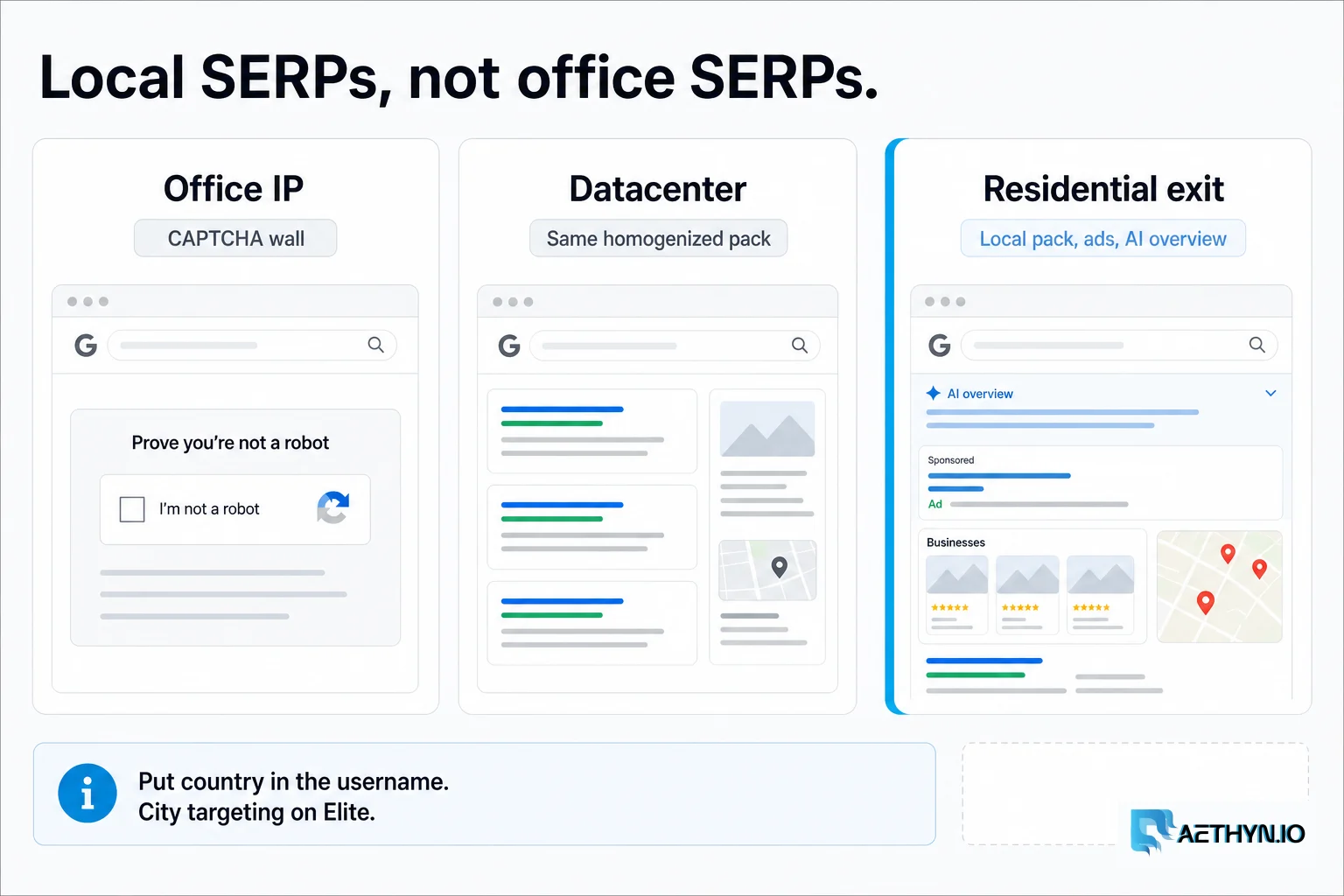
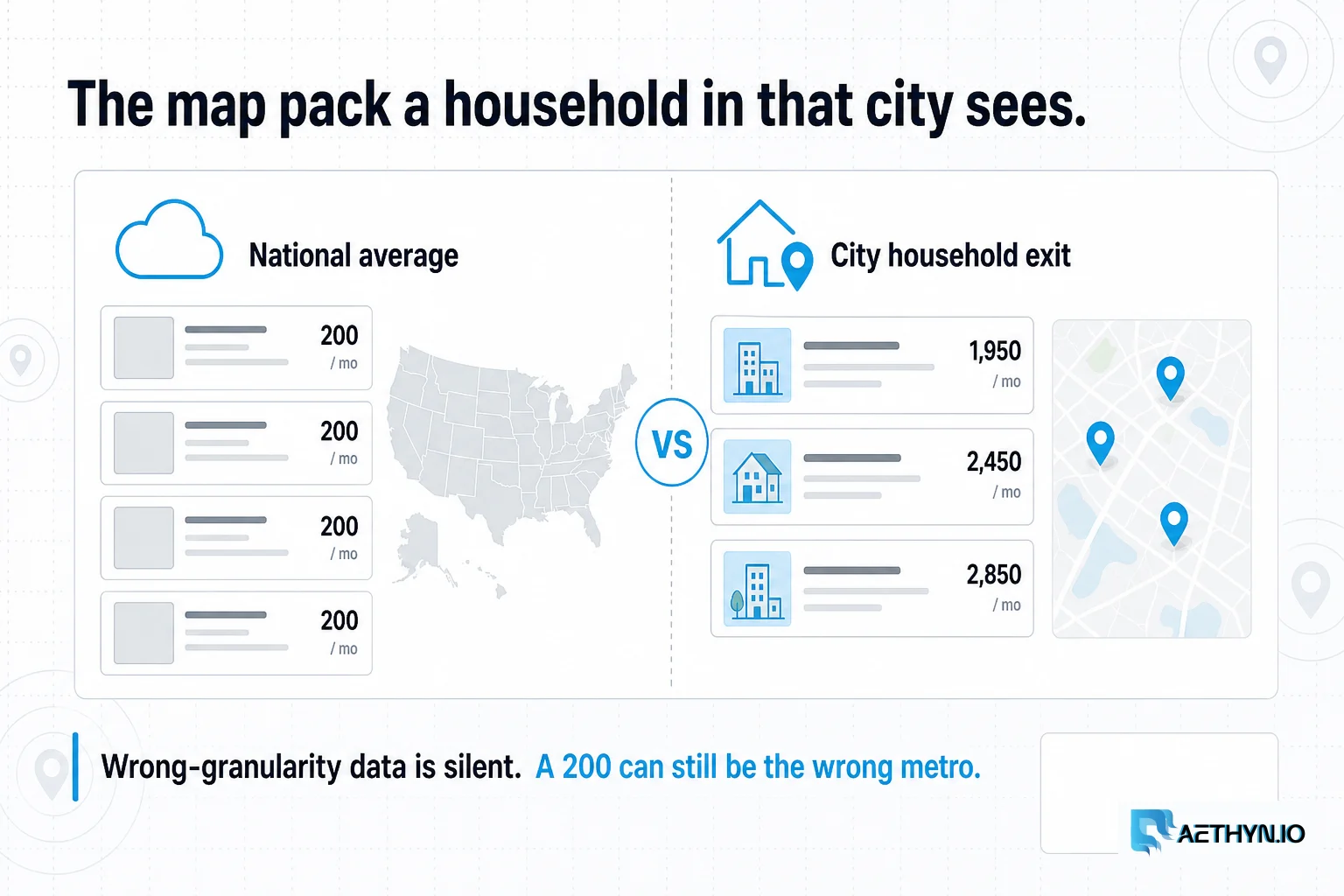
A datacenter or office IP sees a national average listing set versus a household exit in the target city seeing the local map pack

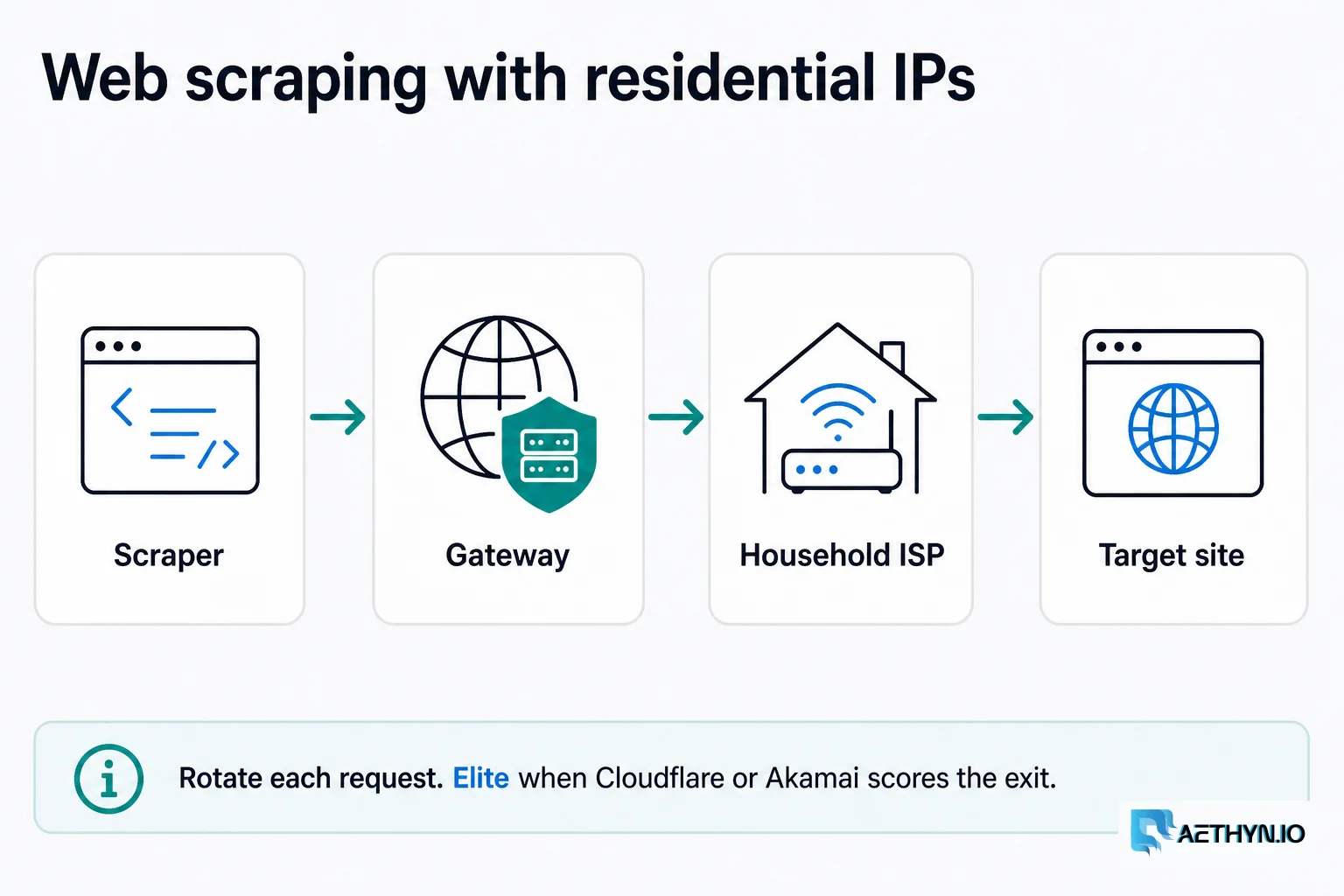
Local business data collection is sampling the listings, hours, ratings, and map pack a household in that city actually sees — not a datacenter’s national average. Maps and directories cap results per query and localize to the searcher’s location, so a country-US exit returns a valid page that still describes the wrong metro. Aethyn Premium is the pool for national directory sweeps where city does not change the card. Elite adds a city username suffix when the object is the local pack, franchise coverage, or store-level NAP. Sticky sessions (1–1440 minutes, default 30) hold one rotating-pool IP for a Maps pass — search, scroll, place details — then you rotate for the next metro. This is not SERP tracking (organic URL order) and not generic market research (category pages). Pair it with the city-SERP protocol when you also need rank overlap, and with the Maps and NAP guides when you are ready to grid and dedupe.

Key Benefits

See the map pack and listings a resident in that metro sees
City-level Elite exits instead of a national average
Sticky sessions (30 min default, up to 24 h) for search, scroll, and place details
Same pool for HTTP and SOCKS5 — pick the collector, not a second SKU
Premium country routing when the directory is not local-pack shaped

The Challenges We Solve

Per-search result caps that hide most businesses in an area
Localized results that depend on the searcher's apparent location
Incomplete or stale coverage in any single maps or directory source
Matching the same business across sources with messy NAP data
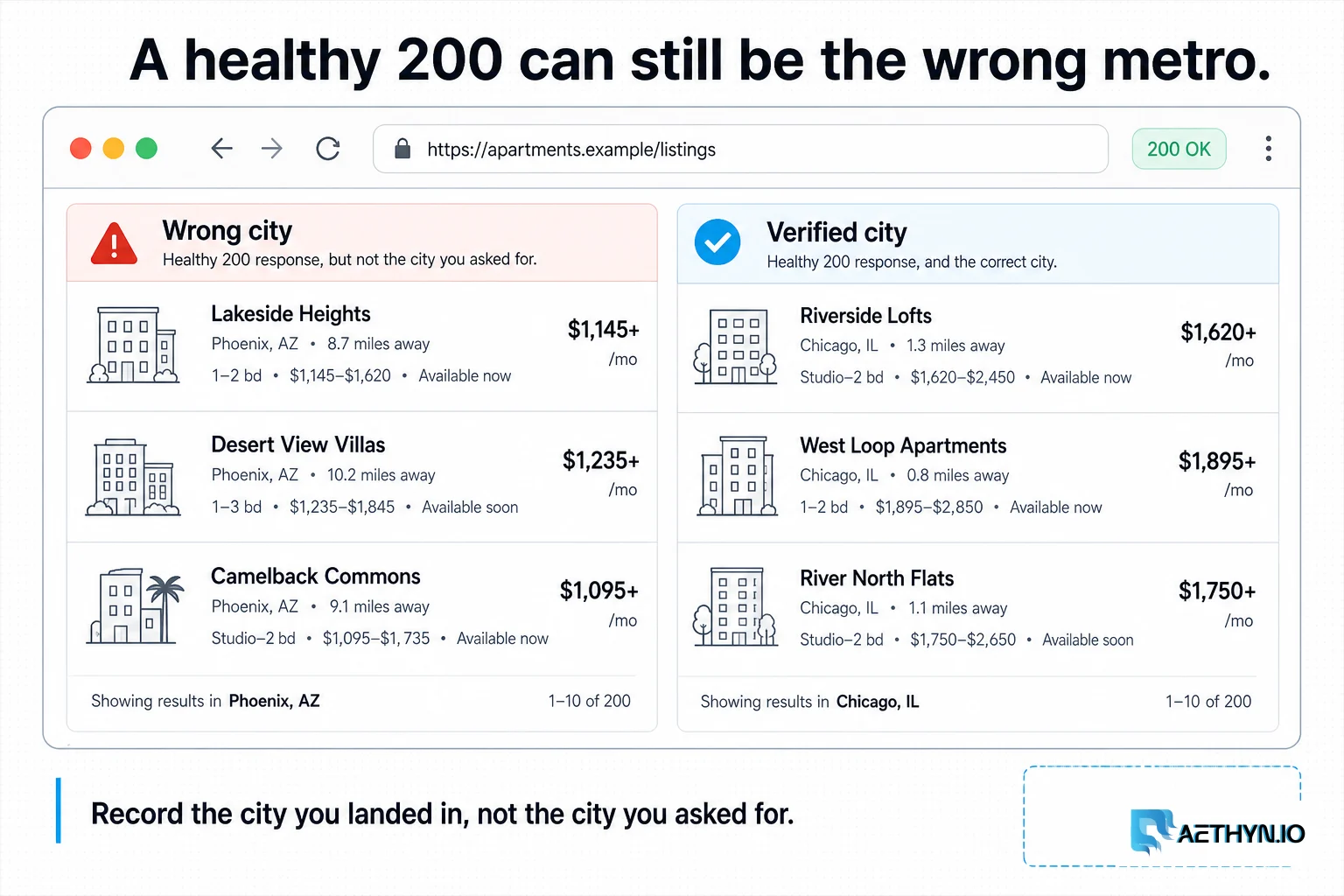
Country-level 200 OK describing the wrong metro versus a verified city exit returning the local listings
Wrong-granularity data is silent. Verify the city you landed in.

How It Works

1

Pin Elite city (or Premium country for national directories) on the username.

2

Verify the exit city before the first Maps or directory request.

3

Hold a sticky session for one metro pass — search, scroll, open places.

4

Dedupe on NAP or place_id, then rotate to a new session for the next metro.
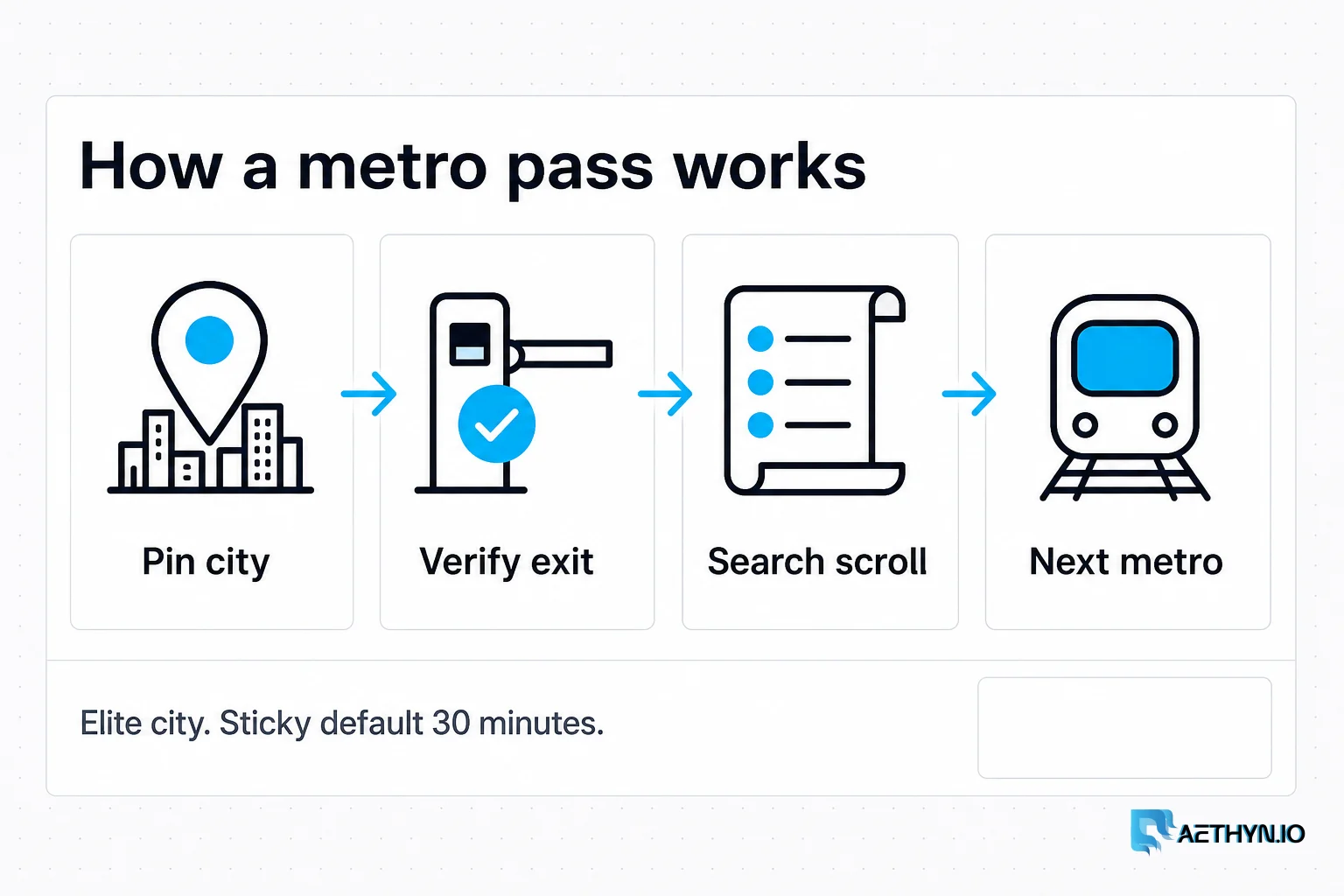
Four steps for local business collection: pin the city, verify the exit, search and scroll, rotate the session
Elite city for the pack. Premium country when the directory is national. Sticky default 30 minutes.

Premium or Elite for this job?

This use case usually needs Elite — higher-reputation exits plus city and ISP targeting. Premium still works for volume on easier hosts.

Pool chooser

Premium for volume. Elite when anti-bot is the job.

PremiumElite
TargetingCountryCountry, city, ISP
SessionRotating or stickyRotating or sticky
Best forScale crawls, SEO, pricingCloudflare, Akamai, DataDome

Use Case FAQ

How is this different from SERP tracking?
SERP tracking records organic URL order and rank history. This use case is the business card the map pack and directories showed in that metro — name, address, phone, hours, ratings. You can run both; they are different objects.
Premium or Elite?
Elite when you need city targeting or the map platform scores reputation aggressively. Premium is enough for lighter national directories where the listing does not change by metro. ISP suffixes are only when the listing is carrier-shaped.
Why sticky sessions?
A Maps pass is a flow: search, zoom, scroll, open a place. Sticky holds one rotating-pool residential IP for 1–1440 minutes (default 30) so that flow stays one identity. It is not a static or dedicated IP product. Use a new session for the next metro.
Do I need a separate Google Maps SKU?
No. Aethyn is residential only. HTTP 5499 / SOCKS5 3499 (Elite) or 2099 / 1099 (Premium) on the same pool. City and ISP are Elite username suffixes.
Share this use case

Start Scaling Local Business Data

Get access to clean residential IPs and route your first local business data workflow through Aethyn.

Related guides

Related resources

Back to all use cases